Falling for a character home in Old Colorado City is easy. The front porch, original woodwork, and early Colorado feel can make a house stand out fast, especially if you want something with more personality than a newer build. But charm alone should not drive your decision. If you are thinking about buying in Old Colorado City, it helps to understand what gives these homes their appeal, what issues to inspect closely, and what rules may affect future updates. Let’s dive in.
Why Old Colorado City Feels Different
Old Colorado City began as the former town of Colorado City in 1859 and was later annexed by Colorado Springs in 1917. That long history still shapes the area today, from the street pattern to the mix of older homes and commercial buildings.
The neighborhood’s character comes from practical, early development rather than a single polished architectural vision. Historic records describe the area as growing around railroad, industrial, and workforce activity, which helps explain why you see a wide range of home sizes, forms, and levels of detail.
That matters as a buyer because “character” here often means something real and lived-in. You are not just buying decorative style. You are buying into an area with deep roots, a distinct visual identity, and housing stock that reflects more than one era of growth.
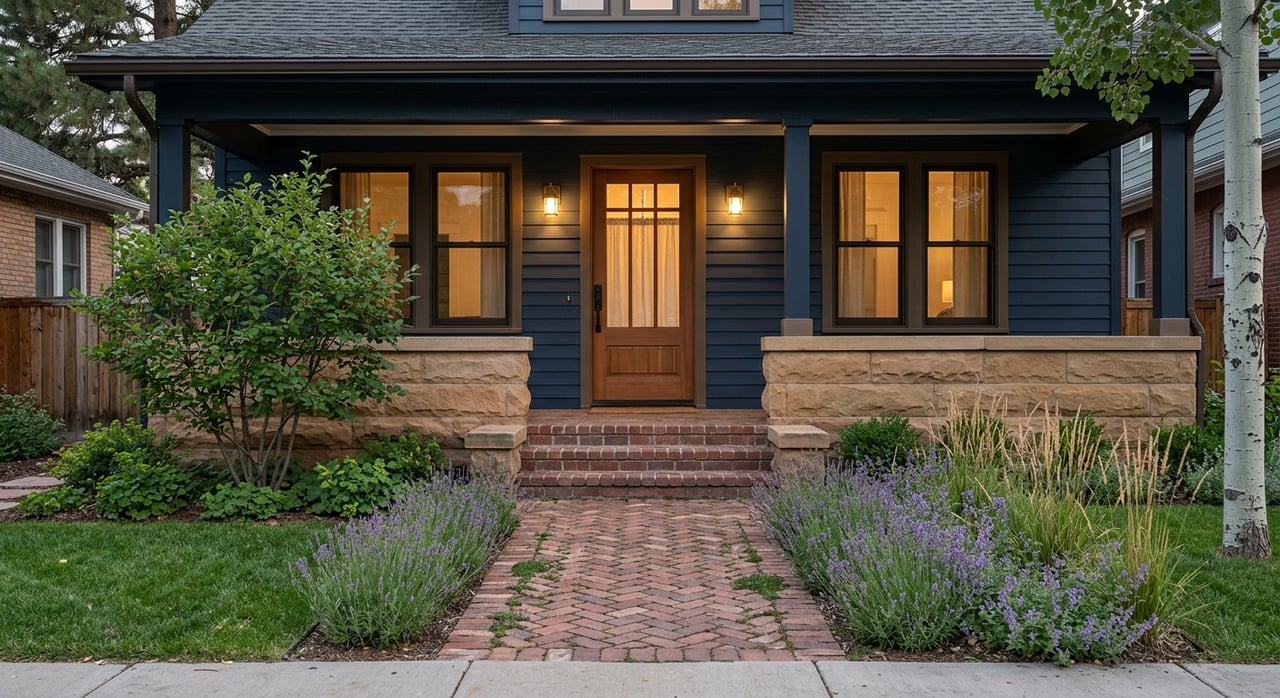
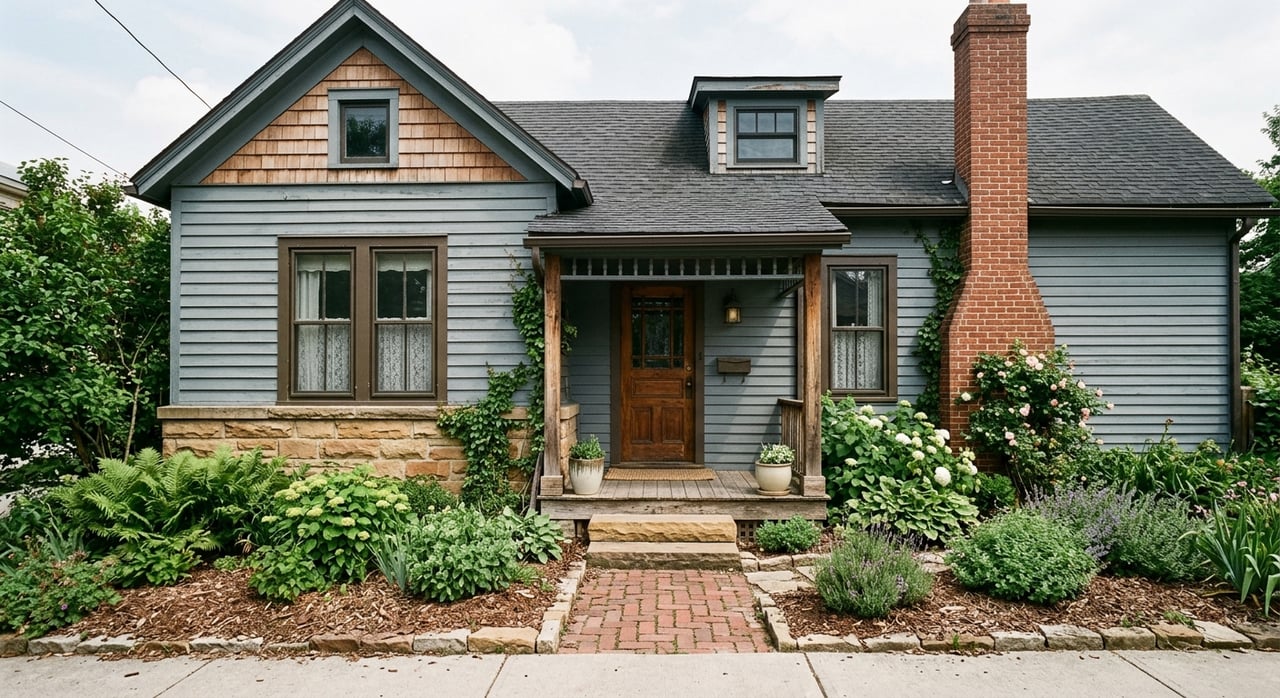
What Character Homes Usually Look Like
In Old Colorado City, you will often find Victorian-era homes, Craftsman and bungalow designs, American Foursquares, cottages, and some homes with Colonial Revival or Mission influences. There is also some later infill, including mid-century and more modern construction.
In practice, style is usually identified by a home’s shape and exterior details, not just by its age. Rooflines, porch design, window patterns, siding, and trim often tell you more than the year built alone.
You may also notice a clear difference between the residential streets and the nearby historic commercial core. The commercial district is known for simple western commercial buildings, often with red-brick facades and turn-of-the-century detailing, while the homes nearby range from modest working- and middle-class residences to more visually detailed period houses.
Historic District vs Overlay Zone
One of the most important things to understand is that a historic location does not automatically mean strict renovation control. In Colorado Springs, being in a historic district typology is not the same as being in the Historic Preservation Overlay zone.
That distinction can affect your plans and your budget. If a property is in the Historic Preservation Overlay zone, city review may be required for modifications to the existing structure, new construction, demolition, and some reroofing work before permits are issued.
On the other hand, National Register and State Register status are honorary by themselves. They do not automatically protect a property or trigger the same kind of city review, though they may create opportunities for rehabilitation tax credits on qualifying projects.
Questions To Ask Before You Offer
Before you get attached to paint colors or porch swings, ask clear questions about the home’s condition, updates, and any historic review requirements. These questions can help you avoid surprises later.
- Is the property only in a historic district, or is it also in the Historic Preservation Overlay?
- What exterior work has already been approved by the city, if any?
- When were the roof, windows, electrical, plumbing, sewer, furnace, and water heater last updated?
- Has the home been tested for lead, asbestos, and radon?
- Which original features are still intact, and which have already been replaced or altered?
- If you plan to remodel, could the work qualify for rehabilitation tax incentives?
- What is the likely cost difference between restoring original features and replacing them?
These questions do more than protect you during due diligence. They also help you compare one older home to another in a more strategic way.
Inspections Matter More In Older Homes
A character home can be a smart purchase, but it usually needs a more careful inspection process than a newer suburban property. Age, prior renovations, and deferred maintenance can all affect what you are really buying.
The goal is not to be scared off by an older house. The goal is to understand its systems, materials, and likely future costs so you can make a confident decision.
Lead Paint Risks
If the home was built before 1978, lead-based paint should be on your radar. According to the EPA, the older the home, the more likely it is to contain lead-based paint, including a very high share of homes built before 1940.
For buyers in Old Colorado City, that means you should assume a pre-1978 home may contain lead unless testing shows otherwise. This becomes especially important if you plan to sand, scrape, open walls, replace windows, or take on other renovation work that could create lead dust.
Asbestos Concerns
Asbestos can also show up in older homes, especially in old floor tile, ceiling materials, pipe wrap, and similar products. You cannot confirm asbestos just by looking at a material.
If a material is damaged or you plan to disturb it during remodeling, it is wise to have it sampled by a trained and accredited asbestos professional. That step can help you avoid health risks and unexpected renovation costs.
Radon In Colorado
Radon is a major issue to take seriously in Colorado. The Colorado Department of Public Health and Environment says radon has been found in all parts of the state and estimates that about half of Colorado homes are above the EPA action level of 4 pCi/L.
Testing is the only way to know whether a home has elevated radon. This is especially important before buying, after renovations, and before turning a basement or lower level into regular living space.
Energy, Moisture, And Comfort
Many buyers love the look of an older home but underestimate what it takes to make it comfortable year-round. Older homes often have less insulation than newer ones, and energy loss can happen through gaps, attics, walls, and older windows or doors.
A home energy assessment can help identify where air sealing and insulation upgrades may make the biggest difference. It is also important to think about moisture control and air sealing together, since fixing one without considering the other can create new problems.
If the home relies on non-ducted heating, ductless mini-split heat pumps may be one retrofit option. The right solution depends on the home’s layout, condition, and your renovation goals.
Plumbing And Water Questions
Water service is another area where local context helps. Colorado Springs Utilities says it has found no evidence of lead pipe in its service area, and that if lead is present, it comes from plumbing and fixtures within homes rather than utility-owned service lines.
That does not mean you should skip plumbing questions in an older house. It means your attention should be on interior plumbing materials, older fixtures, prior upgrades, and whether any water testing has already been done.
Renovating Without Losing Character
If you buy a character home, the smartest updates usually balance preservation with practicality. You want the home to be safe, functional, and easier to live in without stripping away the features that made you want it in the first place.
For larger rehab projects on eligible registered properties, approved work may qualify for investment tax credits. In those cases, the Secretary of the Interior’s Standards for Rehabilitation are commonly used as the framework, with an emphasis on preserving historic character and materials while allowing workable updates.
That often means restoration is not just about replacing old parts with brand-new versions. It may involve repairing original materials, documenting changes, and making compatible improvements that fit the home’s character.
How To Judge Long-Term Value
With older homes, value is not just about square footage or curb appeal. A better lens is how well the home has been maintained, how much original character remains, and how much work will still be needed to make it safe, efficient, and code-compliant.
A house with intact features and thoughtful updates may offer a better long-term ownership experience than one with quick cosmetic work hiding bigger issues. On the flip side, a home with strong bones but deferred maintenance might still be a great buy if you understand the cost and timeline clearly before closing.
This is where local guidance matters. In a neighborhood like Old Colorado City, every house tells a slightly different story, and the right purchase is usually the one where charm, condition, and future plans actually line up.
If you are considering buying a character home in Old Colorado City, having a calm, informed strategy can make all the difference. For guidance that blends local market knowledge with honest, practical advice, connect with Innovative Moves LLC.
FAQs
What types of homes are common in Old Colorado City?
- Buyers in Old Colorado City will often see Victorian-era homes, Craftsman and bungalow designs, American Foursquares, cottages, and some homes with Colonial Revival or Mission-style elements, along with some newer infill.
Does a historic district in Old Colorado City automatically restrict renovations?
- No. In Colorado Springs, being in a historic district does not automatically mean special design review. Extra city review applies when a property is in the Historic Preservation Overlay zone.
What should you inspect carefully in an Old Colorado City character home?
- Pay close attention to roof age, windows, electrical, plumbing, sewer, furnace, water heater, and potential environmental concerns such as lead-based paint, asbestos, and radon.
Is radon testing important when buying an older home in Colorado Springs?
- Yes. Colorado health officials say radon has been found in all parts of Colorado, and testing is the only way to know whether a home has elevated levels.
Can an Old Colorado City historic home qualify for tax credits?
- Some National Register or State Register properties may be eligible for rehabilitation tax credits for approved projects, depending on the property and the scope of work.
How do you evaluate value in an Old Colorado City character home?
- Focus on maintenance history, the condition of major systems, how much original character remains, and the likely cost of future repairs or upgrades.