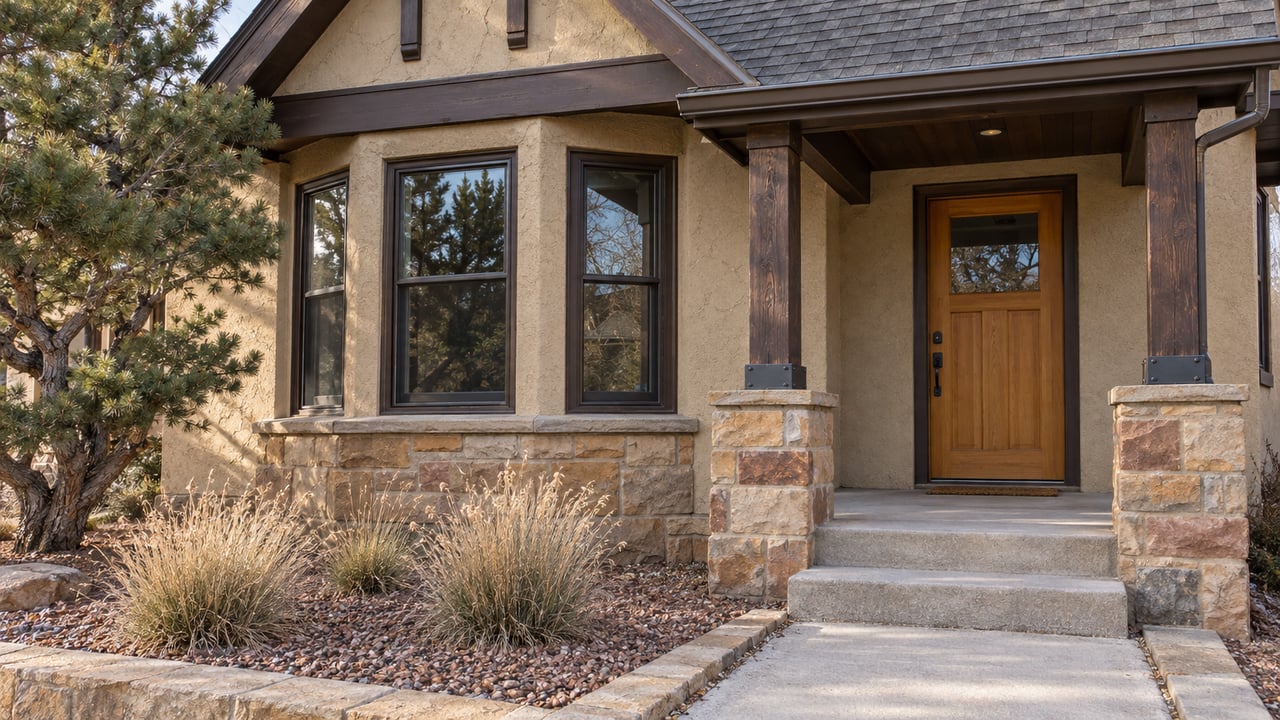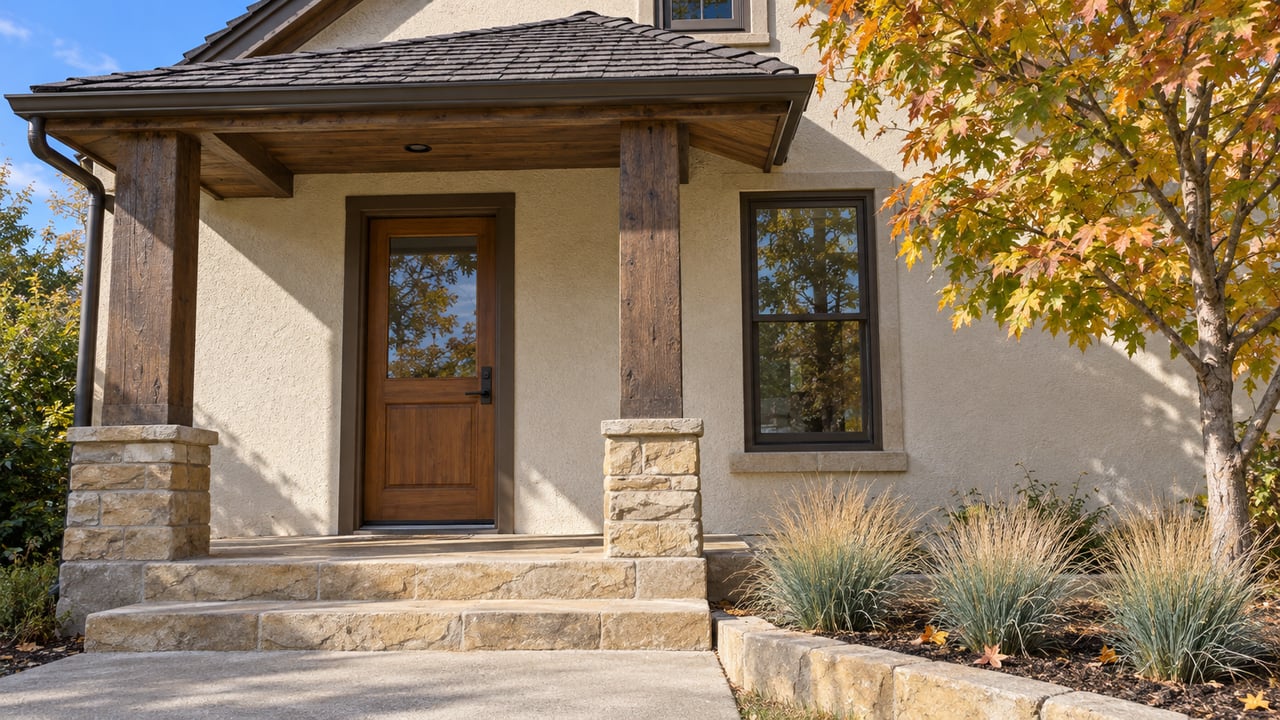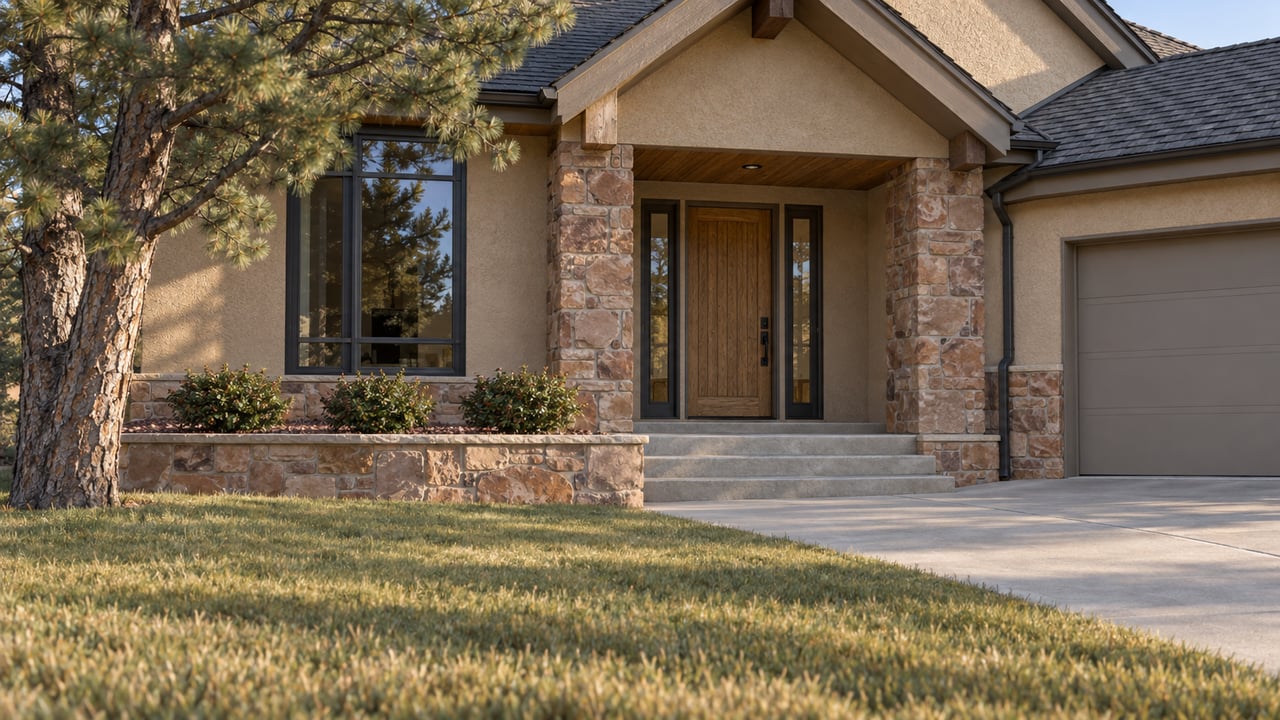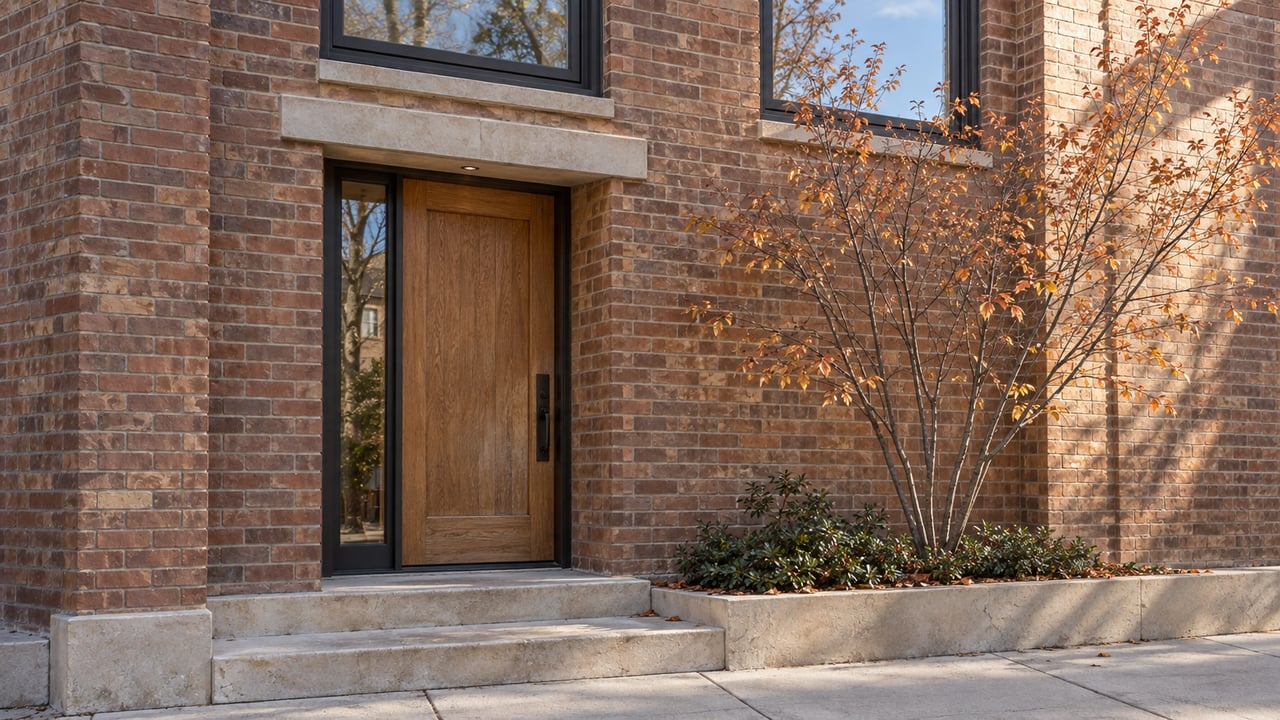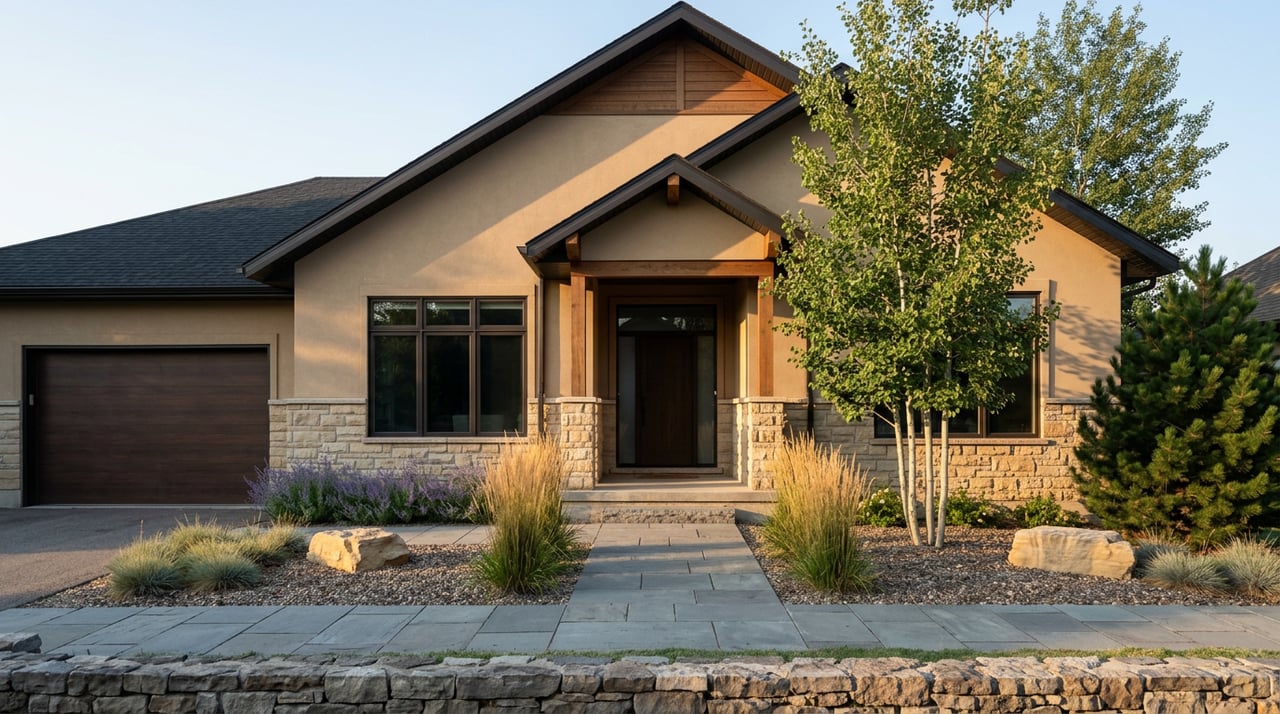
Ask a buyer touring a hundred-year-old cottage near Bancroft Park what worries them, and most name the same thing: the Historic Preservation Board. They picture a committee weighing in on paint colors, vetoing a porch rail, slowing a remodel by months before it starts. That fear is usually aimed at the wrong door. The paperwork that actually stalls a sale in Old Colorado City this year isn't sitting in a city preservation file. It's sitting on an insurance underwriter's desk, next to a wiring diagram.
The Historic District Buyers Picture, and the One That Actually Applies
Old Colorado City predates Colorado Springs itself. It was founded in 1859, annexed in 1917, and its commercial core along Colorado Avenue was listed on the National Register of Historic Places in 1982. But that Register listing covers a specific stretch, not the whole neighborhood: Colorado Avenue between 24th and 26th streets, plus a block of Court Street, with the original town square preserved today as Bancroft Park.
Buyers searching listings for "Old Colorado City" get a much wider net than that. The name commonly stretches across the area roughly bounded by Highway 24 to the south, 32nd Street to the west, 13th Street to the east, and Uintah Street to the north. Most of what's inside that boundary was never part of the Register-listed core to begin with.
The City of Colorado Springs' own historic preservation office draws a distinction worth sitting with: National Register listing and Historic Preservation Overlay zoning are two different tools. Only parcels zoned with the HP Overlay are required to go before the city's Historic Preservation Board before pulling a permit. Being old, or sitting inside the neighborhood's informal boundary, doesn't put a house under that review by itself. A buyer touring a cottage three blocks off the Avenue is very likely not looking at a Board-reviewed property at all, whatever the listing description implies.
Two Neighborhoods Wearing One Name
Here's where the confusion compounds. One local accounting of the area's housing stock puts the average Old Colorado City home at a build year of 1909, which matches the neighborhood's Victorian-cottage reputation. Broader census-tract data, the kind portals and demographic sites pull from, stretches that same neighborhood name across a wider footprint and lands on a median construction year of 1968, nearly two generations newer.
Both numbers are describing real houses. They're just describing different maps.
| Historic core | Broader neighborhood footprint | |
|---|---|---|
| Location | Colorado Avenue between 24th and 26th, plus a block of Court Street | Roughly Highway 24 to Uintah Street, 32nd to 13th |
| Typical construction era | 1880s to 1920s | Median construction year around 1968 |
| Preservation review | HP Overlay zoning may apply; verify per parcel | Design review typically does not apply |
| What actually complicates a sale | Design guidelines on the commercial corridor | Wiring, plumbing, and permit history in the house itself |
A listing that says "Old Colorado City" doesn't tell you which house you're buying: a Victorian with its original bones, or a mid-century infill home wearing the same neighborhood label. That distinction matters more than the neighborhood name, because it decides which paperwork problem you're actually solving for.
Where the Real Friction Sits: The Insurance Desk
For homes built before 1940, which describes most of the original historic core, active knob-and-tube wiring is the detail that reroutes a closing. Standard carriers, the names most buyers already carry a policy with, generally decline to write coverage on a home with active knob-and-tube in service, regardless of how well it's held up over the decades. When a lender requires proof of insurance to close and the retail carrier says no, the option set narrows fast: specialty insurers, surplus-lines carriers, or a restricted policy type like an HO-8, often at a real premium over what a buyer expected to pay.
The number worth budgeting around: full rewiring runs roughly $8,000 on the low end to more than $36,000, depending on the size and complexity of the house. The Amazing Flash guide to insurance for older homes says some carriers will bind a policy during the gap with a contractual rewire requirement, giving a buyer 90 days to 12 months to finish the work and keep coverage in force. Others won't bind at all until a licensed electrician has certified the existing system safe.
There's a timing wrinkle too. The LegalClarity guide says the federal tax credit that used to help offset electrical panel and wiring upgrades under Section 25C expired at the end of 2025. Anyone rewiring a historic Old Colorado City home in 2026 is doing it without that federal offset. Colorado's separate state historic preservation income tax credit is still available, but Historic Denver explains that it is available only for contributing structures inside a formally designated historic district, a much narrower group than "old house in the neighborhood."
The Second Surprise: What's Sitting in the Permit File
Wiring isn't the only paper trail that surfaces late in a transaction. Work on additions, converted garages, enclosed porches, and finished basements that lacks paperwork tends to get caught the same way: during the inspection that happens after a contract is already signed. For a house that's changed hands two or three times since a 1970s addition went in without paperwork, that history doesn't disappear; it waits for the next inspection.
What to Check Before You Write or Accept an Offer
- Ask the city directly whether a specific parcel carries HP Overlay zoning. Don't assume from the neighborhood name or the age of the house.
- Pull the permit history from Pikes Peak Regional Building Department for any addition, garage conversion, or system replacement before your inspection deadline passes.
- If the home was built before 1940, ask specifically whether any original wiring is still active, and loop your insurance agent in during your option period, not the week before closing.
- Get a rewire estimate in writing if a licensed electrician can't certify the existing system as safe, and build that number into your offer math before your deadlines expire.
- If the goal is the neighborhood's walkability without its original systems, look at newer construction carrying the same address, such as Gold Hill Mesa, built on the former Golden Cycle Mill site just south of the historic core.
For Sellers, the Same Two Items Come Back Around
The KDS Home Buyers guide notes that Colorado's disclosure requirements ask sellers to identify known material defects, and that includes electrical hazards like active knob-and-tube wiring. A seller who gets ahead of both issues, an electrician's letter confirming the wiring's condition and a clean permit file from PPRBD, walks into a listing with fewer surprises waiting at the inspection table. It's a smaller lift than most sellers expect, and it removes the two items most likely to reopen negotiations after a contract is already signed.
FAQ
Does every home in Old Colorado City need Historic Preservation Board approval to renovate? No. Only parcels zoned with the city's Historic Preservation Overlay require Board review before a permit is issued. Most residential streets sit outside that overlay, even though the neighborhood carries a well-known historic identity.
Will a home with knob-and-tube wiring fail inspection? Not automatically. A licensed electrician can certify the system's current condition. What actually affects closing is that most standard insurance carriers still decline to write a policy on active knob-and-tube regardless of that inspection result.
Is there a tax credit for rewiring a historic home in 2026? The answer depends on which credit you mean; the federal and Colorado options are described above.
What if I want an Old Colorado City address without an original electrical system? Gold Hill Mesa, built on the former Golden Cycle Mill site just south of the historic core, offers newer construction with updated systems inside the same general area.
Let's Connect
If you're weighing a cottage near Bancroft Park against a newer build closer to Gold Hill Mesa, the paperwork difference is worth sorting out before you write an offer, not after. Aidan Peña with Innovative Moves can walk you through what a specific parcel's zoning status actually is, what an insurance conversation might look like before you're under contract, and what to ask for in a seller's permit file. Let's Connect.
This article is general information, not legal, tax or financial advice. Consult a qualified professional about your situation.